About Gangotri
Set high in the Garhwal Himalaya beside the thundering Bhagirathi river, Gangotri is one of the four sacred Char Dham shrines and the spiritual source of the holiest river in India. According to legend, it was here that the goddess Ganga descended from the heavens in answer to the penance of King Bhagirath, who sought to liberate the souls of his ancestors — and it was Lord Shiva who caught the torrent in his matted locks to soften its fall to earth. For Hindus, a journey to Gangotri is among the most meritorious of all pilgrimages.
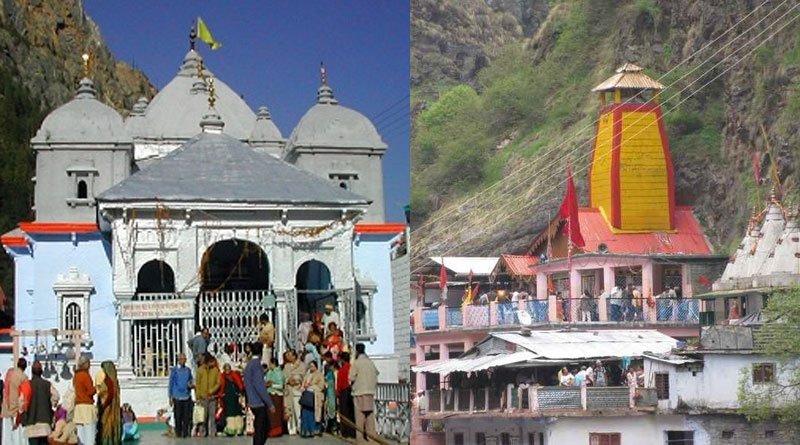
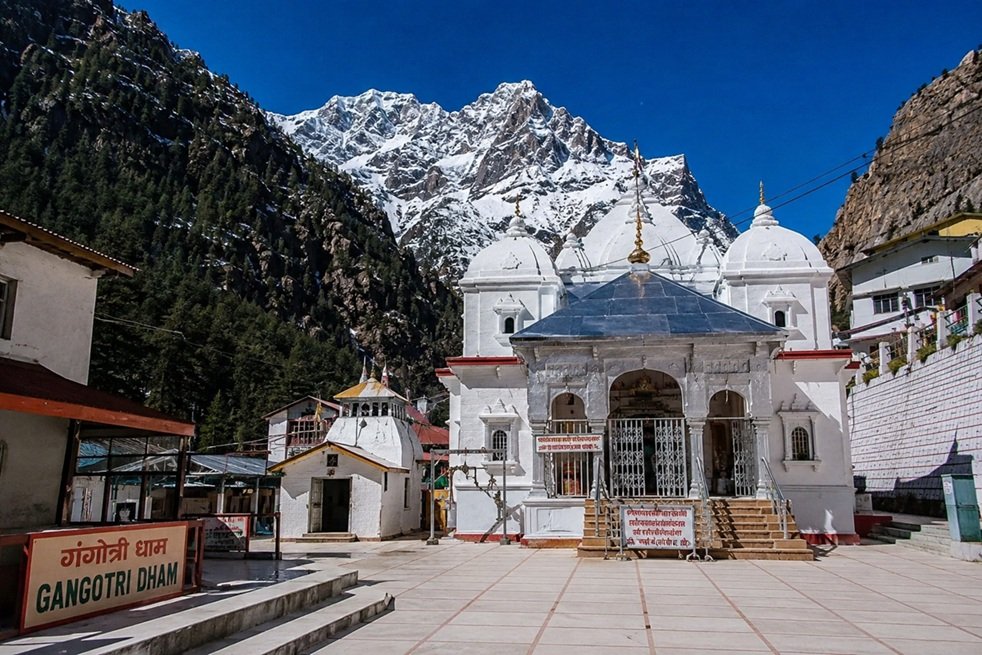
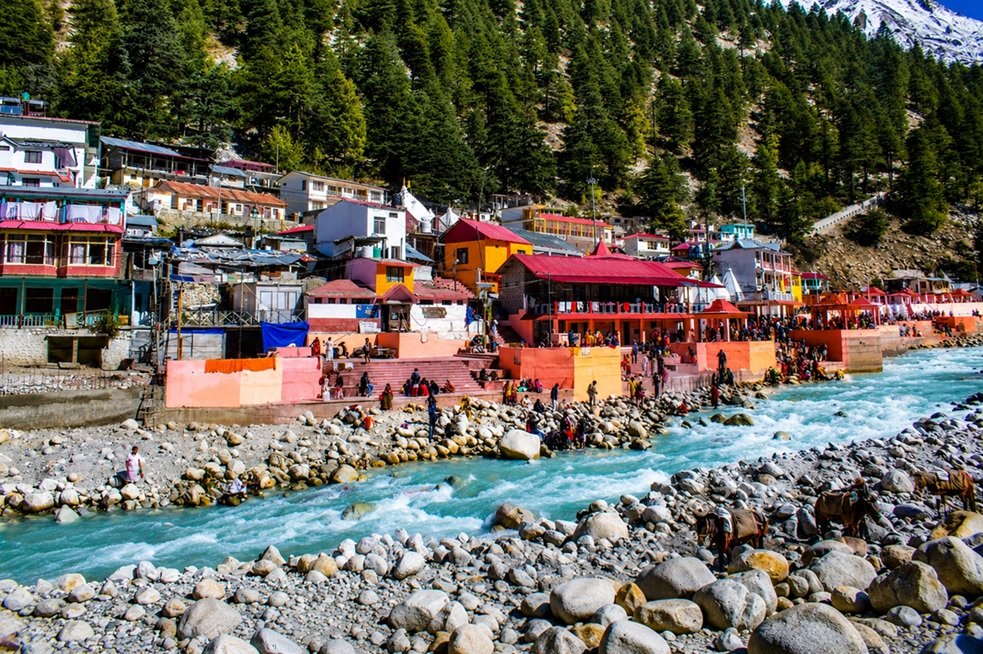
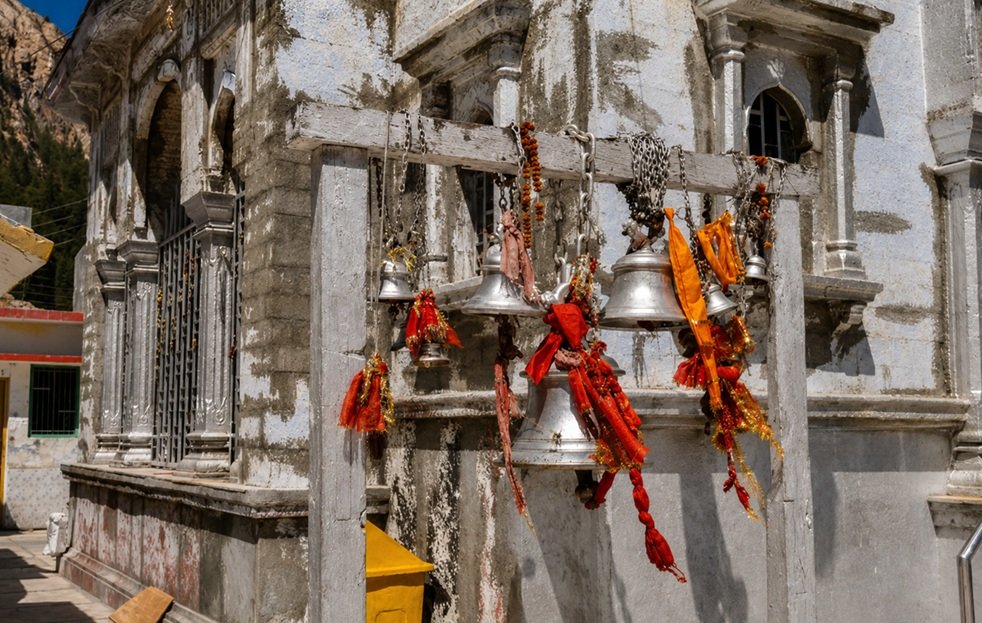
The white granite Gangotri temple, originally built by the Gorkha general Amar Singh Thapa in the early 18th century, sits at around 3,100 metres and reopens each spring around Akshaya Tritiya, closing again at Diwali when the deity is symbolically moved down-valley for the winter. Around it cluster ashrams, dharamshalas and the ghats where pilgrims brave the icy water for a ritual dip.
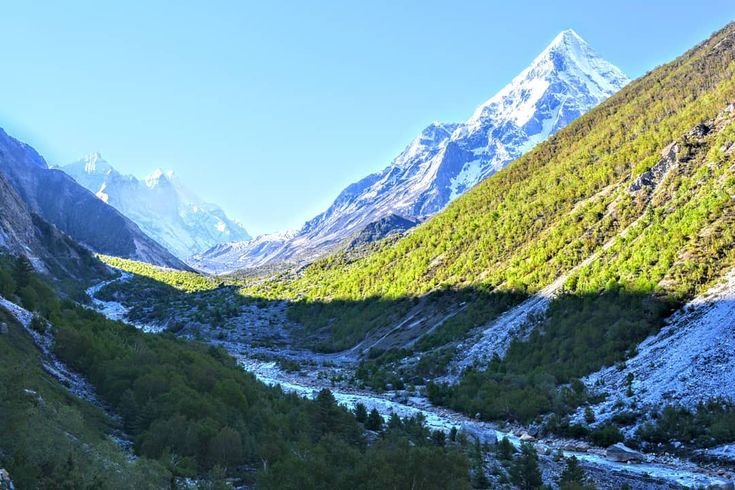
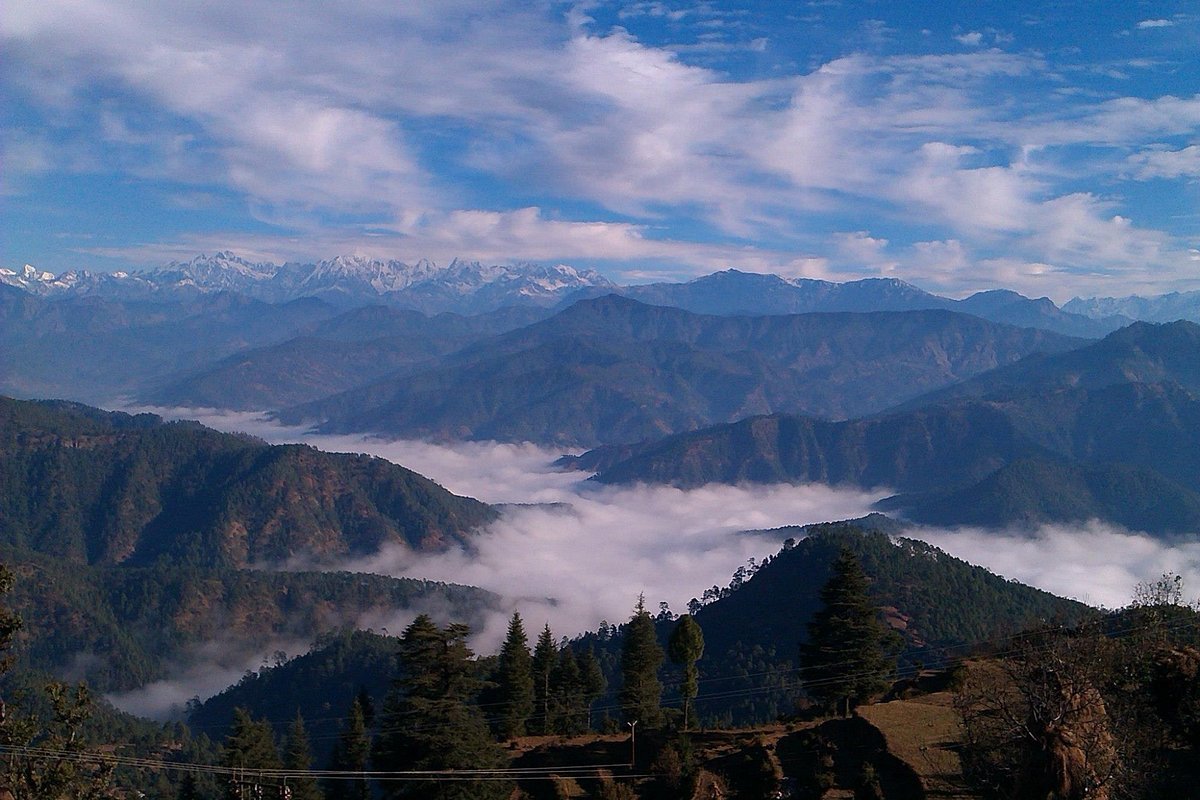
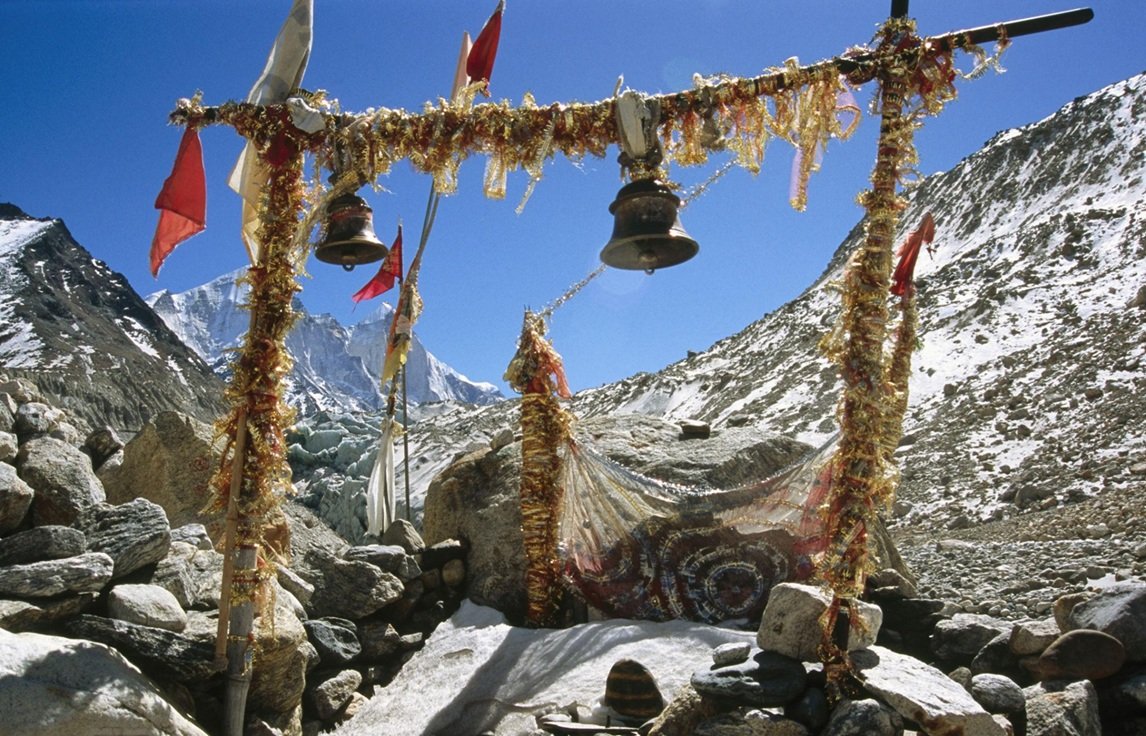
Beyond the religion, Gangotri is a gateway to some of the most dramatic high-mountain terrain in the country. The true glacial origin of the Ganga lies at Gaumukh — the 'cow's mouth' snout of the Gangotri glacier — an arduous 18 km trek away through the protected wilderness of Gangotri National Park, ringed by the spires of the Bhagirathi peaks and Shivling. This combination of deep devotion and raw Himalayan grandeur gives the place an atmosphere few other destinations can match.
📷 Photo Gallery
Best Time to Visit
Gangotri temple is open from Akshaya Tritiya (April/May) to Diwali (October/November). The temple is closed all winter — the deity is moved to Mukhba village. Within the open window, weather varies dramatically by season.