About Patal Bhuvaneshwar
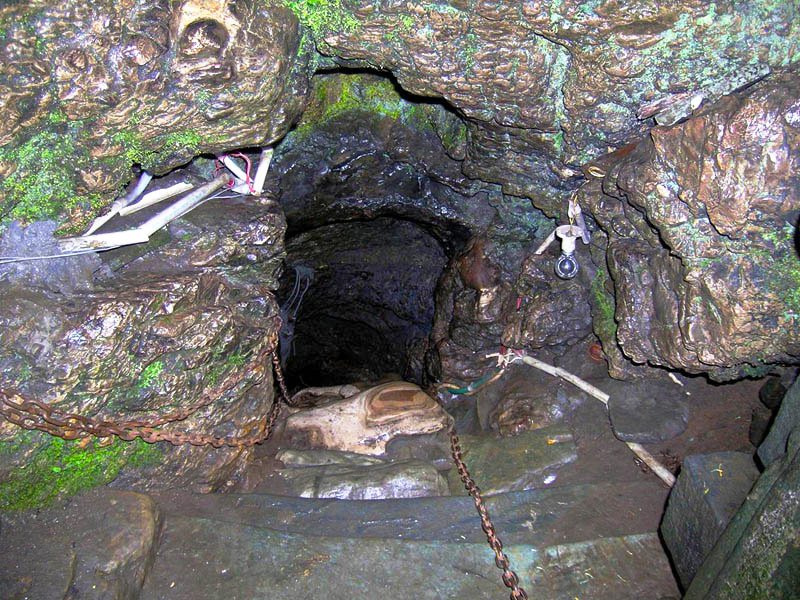
Hidden beneath the hills near Gangolihat lies Patal Bhuvaneshwar, one of the most mysterious and awe-inspiring shrines in the Himalaya — not a temple of stone built upon the earth, but a vast limestone cave that descends deep below it. Pilgrims enter through a narrow opening and climb down a tight, dark passage into a series of chambers adorned with extraordinary natural formations of stalactites and stalagmites.
Hindu tradition holds that this subterranean world contains the abode of all 33 crore deities of the Hindu pantheon, and devotees are shown, in the shapes of the rock, representations of gods, sacred animals and cosmic symbols — among them forms said to depict the four ages of the world. The cave is associated with Shiva and is mentioned in the Skanda Purana, and is believed to have been rediscovered by Adi Shankaracharya.
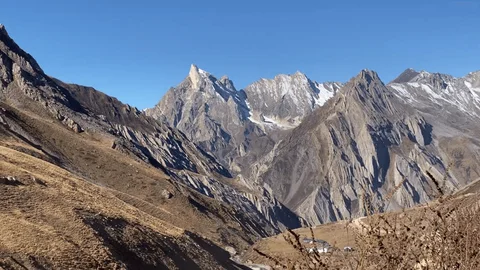
Guided by a temple priest who narrates the legends in the lamplight, the descent is part adventure, part profound religious experience. The cool, hushed interior, the strange beauty of the limestone and the weight of myth make Patal Bhuvaneshwar utterly unlike any other shrine in Uttarakhand — easily combined with the nearby Haat Kali temple and the Himalayan views of Chaukori.
📷 Photo Gallery
Best Time to Visit
March–June and September–November; the cave interior stays cool year-round.