About Joshimath
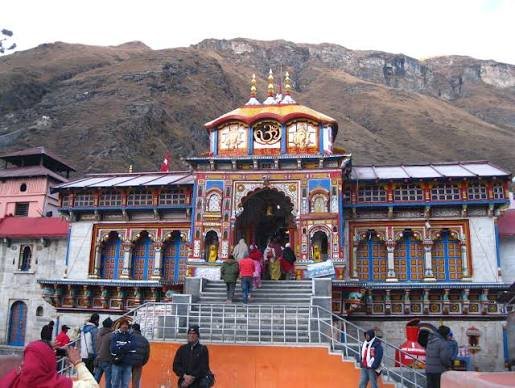
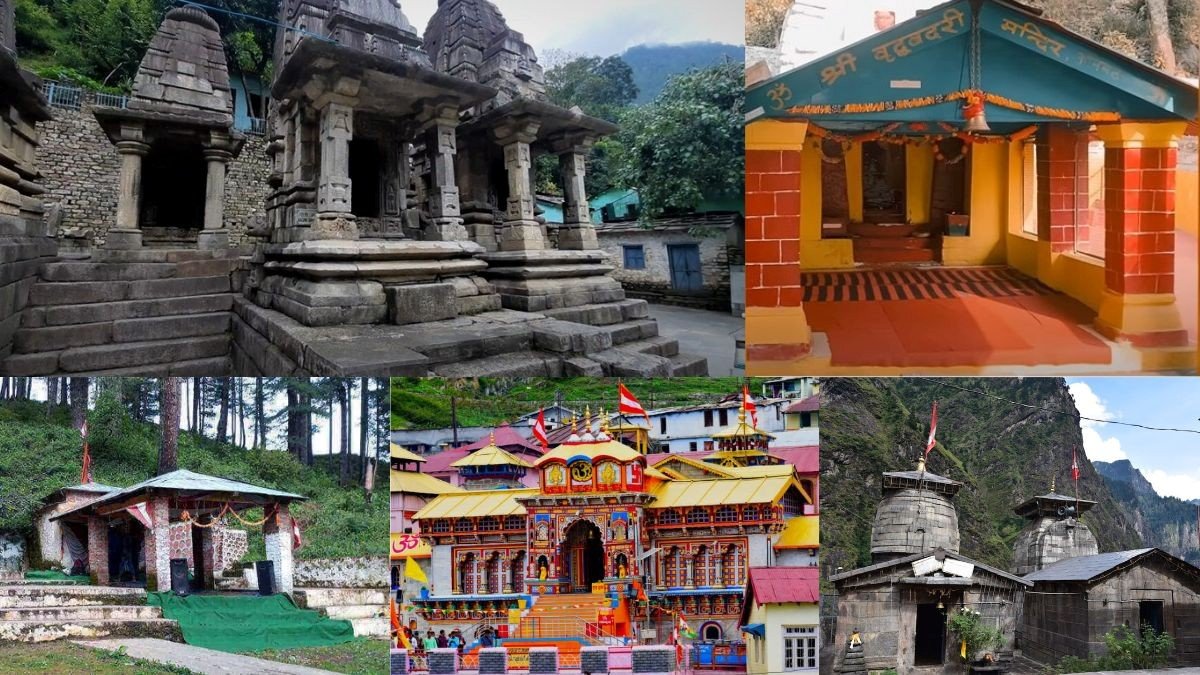
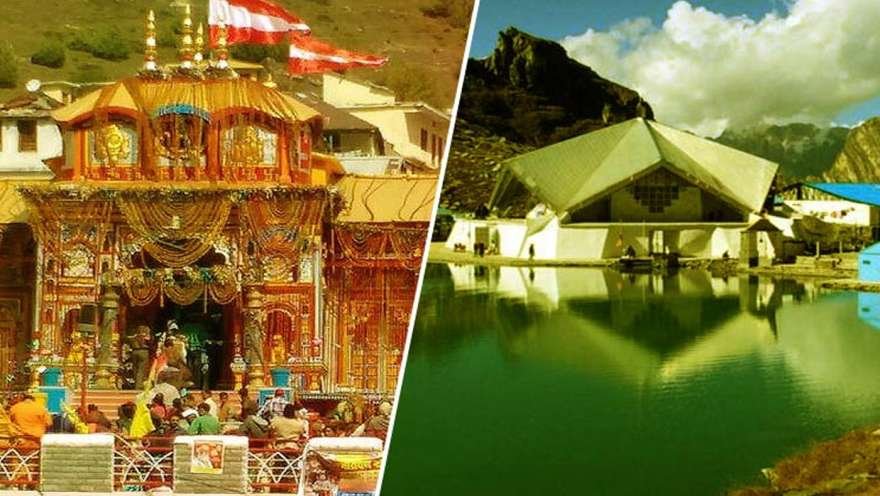
Joshimath, traditionally known as Jyotirmath, is one of the four cardinal monastic seats (maths) established across India by the philosopher-saint Adi Shankaracharya in the 8th century, making it a centre of Hindu thought and pilgrimage for well over a thousand years. It is the winter abode of Lord Badri: when Badrinath closes for the snows, the deity is ceremonially brought down to the Narsingh temple here, and worship continues without a break.
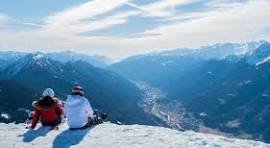
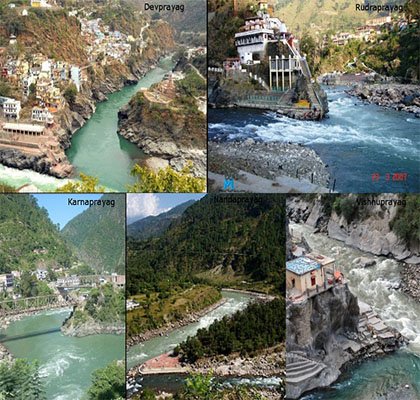
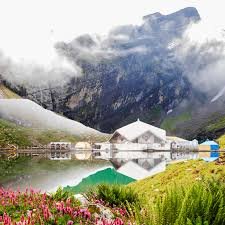
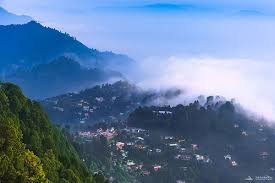
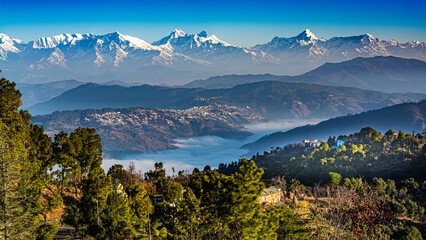
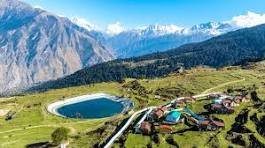
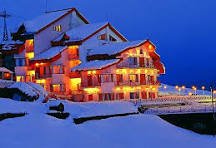
Perched at around 1,890 metres on the slopes above the Alaknanda, the town is the great crossroads of the upper Garhwal Himalaya. From Joshimath, roads and trails fan out to Badrinath and Mana, to the winter sports slopes of Auli (linked by one of Asia's longest cable cars), and to the celebrated treks of the Valley of Flowers and Hemkund Sahib.
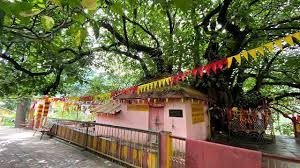
Steeped in legend, the town also guards the ancient Kalpavriksha, a mulberry tree said to be over a thousand years old, and the cave where Shankaracharya is believed to have meditated. In recent years Joshimath has drawn national attention over land-subsidence concerns, so travellers should check current advisories — but it remains the indispensable launch pad for the highest reaches of Garhwal.
📷 Photo Gallery
Best Time to Visit
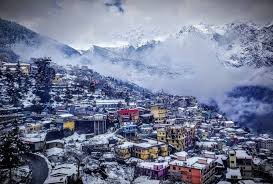
April–June and September–November are pleasant. Winters are cold and snowy; useful for Auli skiing.