About Mana Village
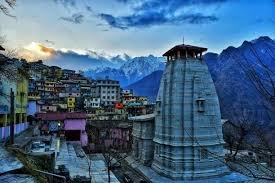
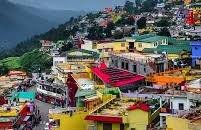
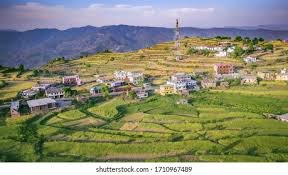
Just a few kilometres beyond the great shrine of Badrinath, where the road runs out and the Himalaya rise toward the Tibetan border, lies Mana — long known as the 'last village of India' and now proudly rebranded as the 'first village of India'. Home to the Bhotiya community, it clings to the slopes above the confluence of the Saraswati and Alaknanda rivers at around 3,200 metres, and is steeped in some of the oldest legends in Hindu tradition.
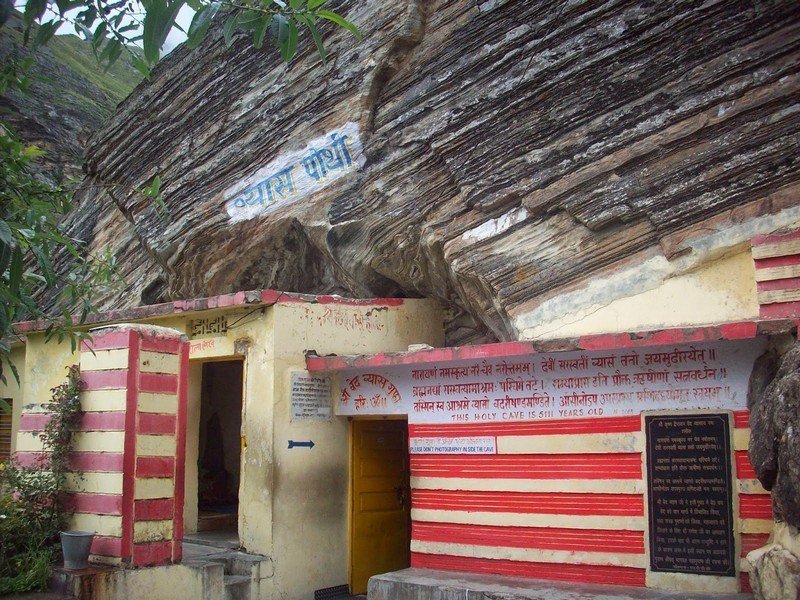
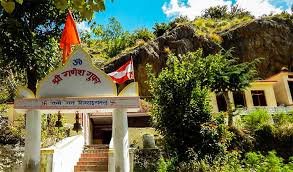
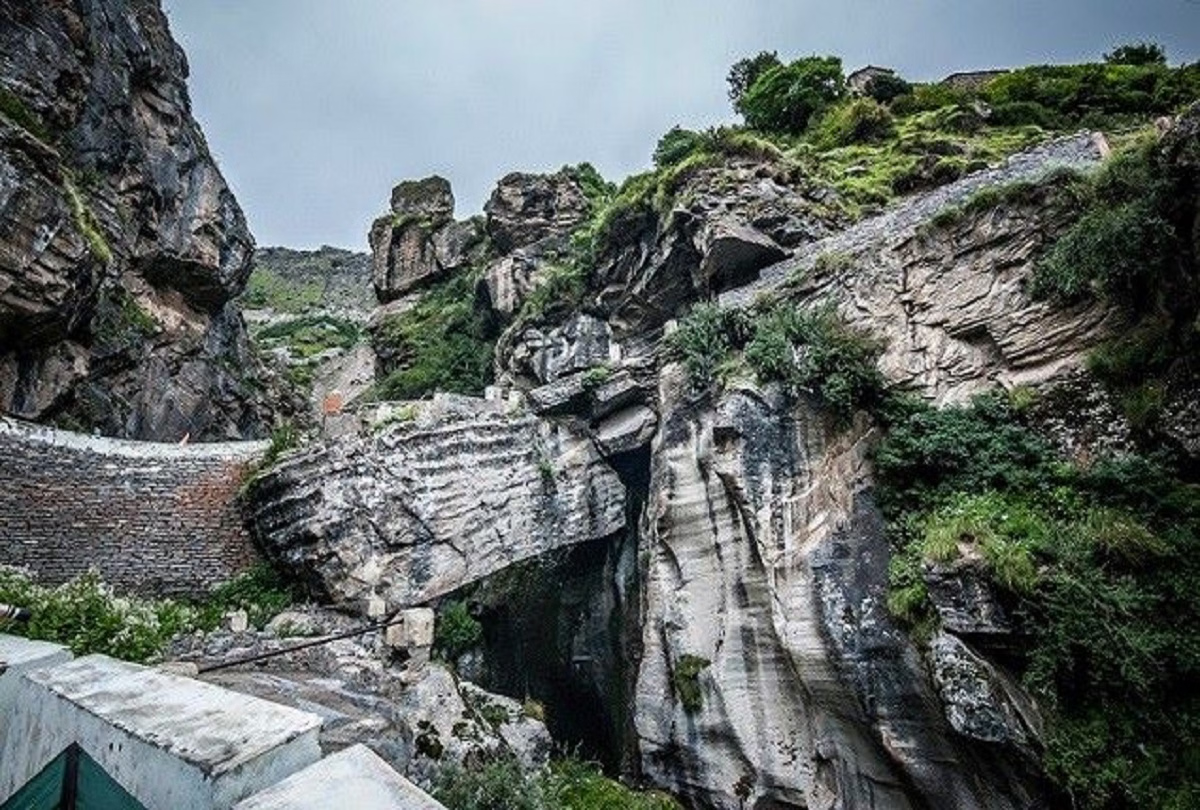
It is here, according to the epics, that the Pandavas began their final journey to heaven, crossing the roaring Saraswati on the Bhim Pul — a massive natural rock slab said to have been thrown across the gorge by the strongman Bhima. Close by are the caves of Vyas Gufa and Ganesh Gufa, where the sage Vyasa is believed to have dictated the Mahabharata to Lord Ganesha, and the spot where the Saraswati emerges, thundering, from beneath the rocks.
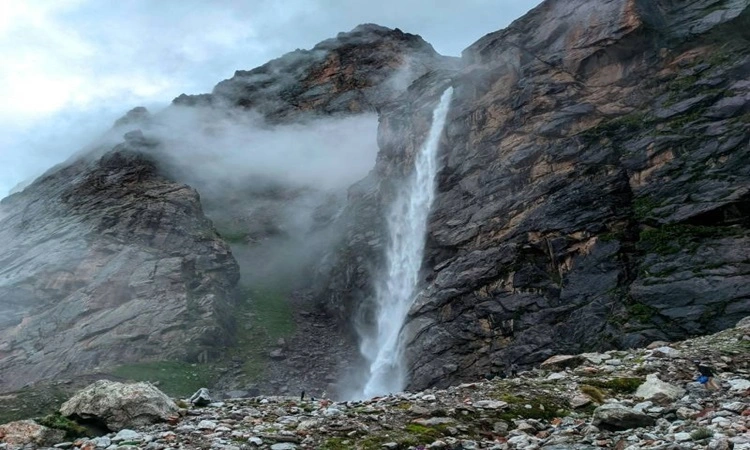
Beyond its myths, Mana is simply a remarkable place to stand: the highest inhabited village on this route, ringed by snow peaks, with the trail to the spectacular Vasudhara Falls and the high passes leading on toward the great unknown of the Himalaya. A visit pairs naturally with a darshan at Badrinath just down the road.
📷 Photo Gallery
Best Time to Visit
Accessible roughly May to October, alongside the Badrinath season; closed and snowbound in winter.